A trendy leisure activity is not just a popular pursuit on social media. The term refers to a practice whose adoption is measurably increasing, driven by changes in lifestyle, budget, or access. Several recent indicators show that the most favored leisure activities this year share two characteristics: they are low-cost and can be practiced close to home, often without prior registration.
Racket sports and padel: the fastest growth in the number of licenses
Among sports leisure activities, racket sports show the strongest growth this year. According to the National Barometer of Sports Practices INJEP/CRÉDOC, the increase in licenses for these disciplines surpasses that of other team or individual sports.
Padel accounts for a significant part of this momentum. Courts are multiplying in urban and suburban areas, often linked to existing tennis clubs. A match lasts less than an hour, equipment can be rented on-site, and the doubles format makes the activity accessible to beginners from the very first session.
Badminton and table tennis benefit from the same momentum, with an additional advantage: their entry cost remains among the lowest for indoor sports. A decent badminton racket costs less than a monthly gym membership. To explore other entertainment options beyond sports, the Buzz du moment website lists various activities categorized by type and region.
Self-directed and local leisure: walking, cycling, running
The INJEP/CRÉDOC Barometer from December 2025 confirms a clear shift: sports practice is moving towards self-directed formats. Walking, hiking, running, cycling, and home fitness form the foundation of the most practiced activities in France.
This shift is partly explained by price factors. A survey by Odoxa reported by Sporteco in 2025 establishes that cost is becoming a decisive criterion in choosing a leisure activity. Free or low-cost activities are gaining ground against paid subscriptions and courses.
Hiking: a leisure activity structured around natural parks
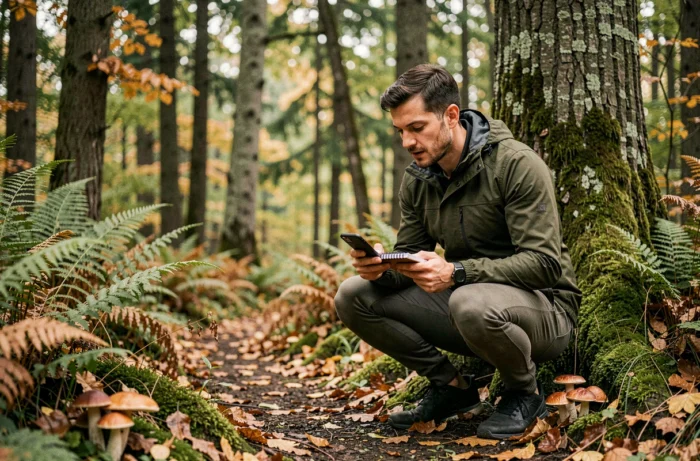
Hiking is no longer limited to Sunday strolls. Regional and national natural parks are developing marked trails accessible by public transport from major cities. The practice attracts a younger audience than a few years ago, particularly thanks to collaborative mapping applications.
Urban and gravel biking
Biking combines daily transport and weekend leisure. Gravel bikes (versatile bikes suitable for both paths and roads) are appealing because they require just one bike for two uses. Community repair workshops are multiplying in cities, further reducing maintenance costs.
Libraries and municipal workshops: free third places for leisure
French libraries are no longer limited to lending books. Data from the Ministry of Culture shows that libraries are evolving into versatile leisure spaces, with extended hours, digital services, and activities that go far beyond reading.
Specifically, a municipal library can offer:
- Digital initiation workshops (photo editing, 3D modeling, programming), often led by volunteers or trained staff.
- Modern board game sessions, with a collection of games updated each quarter and themed evenings open to all ages.
- Free foreign language conversation clubs, with no level required, which replace paid courses for many.
These activities require no annual registration or equipment. For those with a limited leisure budget, the library remains the most accessible entry point to varied practices.
Escape games, quizzes, and group activities: social leisure indoors
Escape games continue to innovate. French venues, particularly numerous in Paris and major metropolitan areas, offer longer and more immersive scenarios than in their early days. The format appeals to both groups of friends and companies for team building.
Indoor quizzes are experiencing a comparable resurgence of interest. Bars and restaurants host weekly quiz nights, often free for participants. The principle is simple: one team, collective general knowledge, no materials to bring.
Collective creative workshops
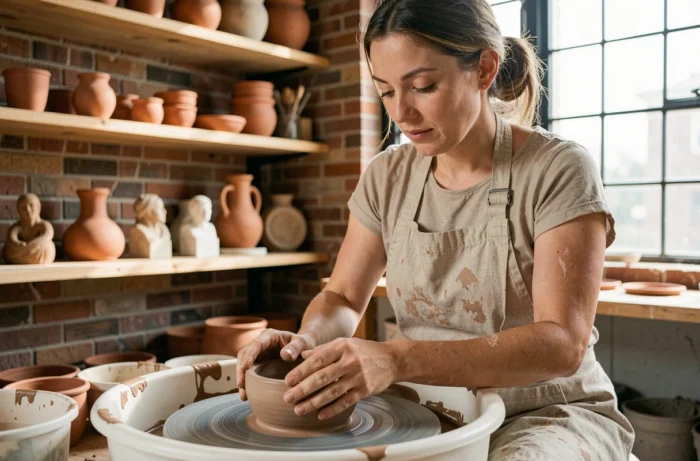
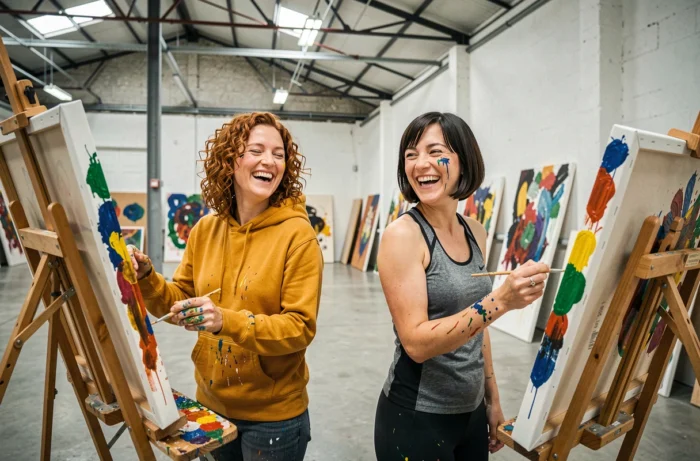
The trend of one-off workshops (pottery, painting, cooking) stands out from annual courses due to its flexibility. You can book a single session without commitment. This format attracts an audience hesitant to sign up for the whole year but looking for a concrete hands-on activity.
Food fermentation workshops (kimchi, kombucha, sourdough) exemplify this niche well. They combine technical learning with a tangible result taken home at the end of the session.
Unusual visits and micro-adventures in France
Proximity tourism is becoming firmly established. Rather than a distant trip, a growing number of French people are choosing unusual visits close to home: urban undergrounds, artisan workshops open to the public, themed walks in the city.
Paris has a dense offering (commented cruises on the Seine, visits to lesser-known neighborhoods, street art tours), but medium-sized cities are also developing their own circuits. Local tourist offices are now publishing “micro-adventure” itineraries designed for half a day, without a car.
This type of leisure meets a dual expectation: to discover something new without mobilizing a vacation budget, and to have a turnkey activity that requires no logistical preparation.
The leisure activities that are growing the most this year share a common foundation: a low financial entry ticket, a practice possible without long-term commitment, and immediate geographical proximity. Padel, hiking, library workshops, or unusual urban visits all fit this framework. The choice is made less by fashion effect than by practical trade-offs between available time, budget, and desire for social connection.