
Paracetamol (the active ingredient in Doliprane) and antihistamines act on distinct pharmacological targets. The former blocks the synthesis of prostaglandins in the central nervous system to reduce pain and fever. The latter inhibit H1 histamine receptors to alleviate allergic reactions. This difference in mechanism explains why their combination does not generate a direct drug interaction in the pharmacokinetic sense.
Hidden paracetamol accumulation in cold medications
The real trap of this combination does not come from the paracetamol-antihistamine mix as such. It arises from the fact that many over-the-counter products already contain paracetamol without it being immediately visible on the box.
Cold sachets, throat tablets, flu powders: these products often combine an antihistamine (such as chlorphenamine or pheniramine) with a dose of paracetamol. If a patient takes one of these combined medications and then adds a Doliprane, they may potentially exceed the maximum daily dose without realizing it.
The ANSM reinforced this warning in June 2024 by reminding of the rule of 3 g of paracetamol per day maximum for self-medication. The agency emphasizes a clear instruction: never take another medication containing paracetamol at the same time. Therefore, before combining Doliprane and an antihistamine, the verification to be made is to read the complete composition of the antihistamine to ensure it does not already contain paracetamol.
When a patient wishes to take an antihistamine with Doliprane, this step of verifying the composition is the first to be carried out, well before considering the question of side effects.

First and second generation antihistamines: not the same risk profile with Doliprane
Not all antihistamines are equal when combined with paracetamol. The distinction between the two generations changes the nature of the precautions to be taken.
Sedating antihistamines and cumulative drowsiness
First generation antihistamines (chlorphenamine, doxylamine, promethazine, alimemazine) cross the blood-brain barrier. They cause marked sedation. Paracetamol alone does not have a significant sedative effect, but the combination of the two medications often occurs in a context of fatigue related to fever or infection.
The practical result: amplified drowsiness that affects alertness. Driving and operating machinery become risky. Adding alcohol to this combination further exacerbates sedation and simultaneously increases the risk of hepatotoxicity from paracetamol.
Less sedating antihistamines: more comfortable combination
Second generation antihistamines (cetirizine, loratadine, desloratadine, bilastine) cross the blood-brain barrier to a lesser extent. Their sedative effect remains low in most patients. The combination with Doliprane then poses fewer alertness issues.
The combination of paracetamol and second generation antihistamines is the one that presents the least constraints, provided that the antihistamine does not contain other combined active ingredients.
Concrete checks before combining these two medications
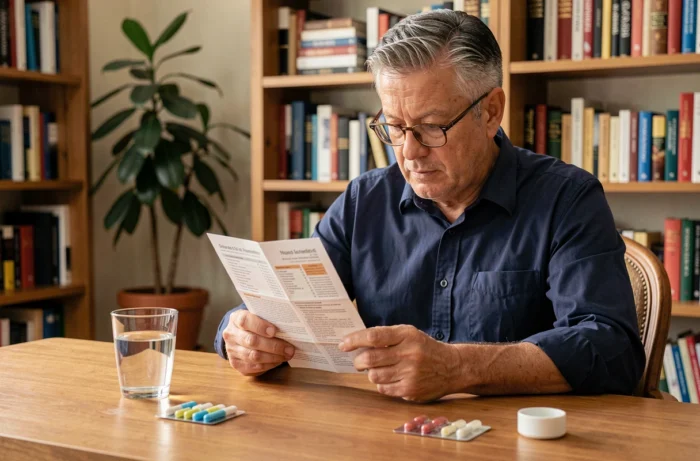
Rather than retaining abstract rules, here are the points to systematically check:
- Read the “composition” section of the antihistamine to verify the absence of paracetamol, codeine, or pseudoephedrine in the formula
- Add up all sources of paracetamol taken during the day (including cold sachets, effervescent tablets, syrups) to stay below the maximum daily dose
- Respect an interval of at least four hours between each dose of paracetamol, regardless of the dosage form
- Identify the generation of the antihistamine used to adapt activities requiring alertness
These checks are particularly useful for people who buy their medications without a prescription. In pharmacies, the packaging does not always highlight the presence of paracetamol in fixed combinations.
Specific cases where medical advice becomes necessary
The combination of Doliprane and antihistamine is generally well tolerated in a healthy adult. However, certain situations warrant medical or pharmaceutical advice before any intake.
Patients with liver insufficiency, even mild, must adjust the dose of paracetamol. The antihistamine hydroxyzine, for example, is metabolized by the liver and can prolong the QT interval on the electrocardiogram, an effect that other medications taken simultaneously could exacerbate.
Older adults often accumulate multiple treatments. With age, liver clearance decreases, which alters the elimination rate of both medications. A sedating antihistamine in a poly-medicated elderly person increases the risk of falls.
Pregnant women represent another specific case. While paracetamol remains the reference analgesic during pregnancy, some antihistamines are not recommended depending on the trimester. Consulting a healthcare professional allows for the selection of the appropriate molecule.
Thesaurus of drug interactions: a limit to know
The official thesaurus of drug interactions published by the ANSM has been frozen at its September 2023 edition and will no longer be updated. New combinations, including those involving recent antihistamines, are therefore not included.
For a patient or healthcare professional, this means that the thesaurus is no longer sufficient as a unique verification tool. The summaries of product characteristics (SPCs), accessible on the public database of medications, remain the most reliable source for each specialty. Consulting the SPC of each medication remains the safest method to detect an interaction not listed in the thesaurus.
The combination of paracetamol and antihistamine is not among the formal contraindications in current references. The real risk lies less in the interaction between the two molecules than in the unintentional accumulation of paracetamol and in the choice of a sedating antihistamine without measuring the consequences on alertness.