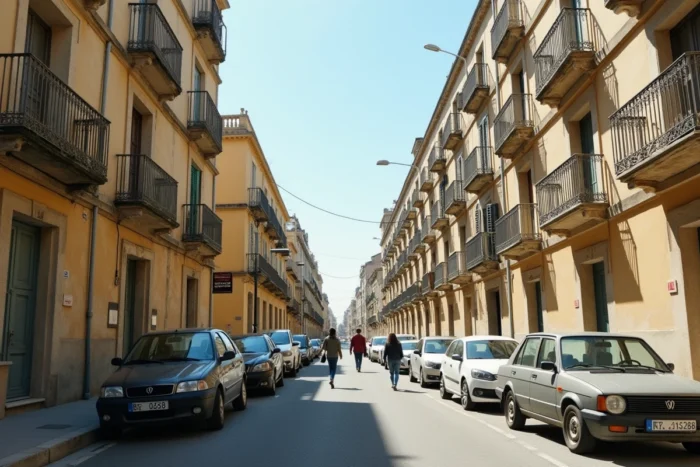
The 9th arrondissement of Marseille concentrates radically opposing urban profiles within its perimeter: residential areas of Mazargues, the university campus of Luminy, classified calanques, and the neighborhood of Cayolle. Reducing this arrondissement to a single safety rating (the average score hovers around 5.89 out of 10 according to resident review platforms) amounts to averaging realities that have nothing in common.
Residential Safety in the 9th Arrondissement and Real Estate Price Signal
The price/risk ratio in the 9th is considered compatible with long-term investment by real estate professionals. This is not insignificant. In the rankings of arrondissements viable for rental investment under the Jeanbrun 2026 scheme, the 9th is ranked among the premium and secure sectors, alongside the 7th and 8th.
This classification stands in stark contrast to the arrondissements identified as having real insecurity (13th to 16th), where investment horizons of 9 to 22 years are discouraged. When wealth managers commit capital for such long durations in a sector, it is a reliable indicator of perceived stability.
We observe that the demand for insurance coverage and rental investment in the Marseille 7th/9th sector (including Mazargues and Sormiou) remains strong. This type of demand is generally correlated with a stable residential neighborhood profile, not a sensitive area. To delve deeper into this field reading, the 9th arrondissement of Marseille according to reviews details the contrasts between micro-neighborhoods.
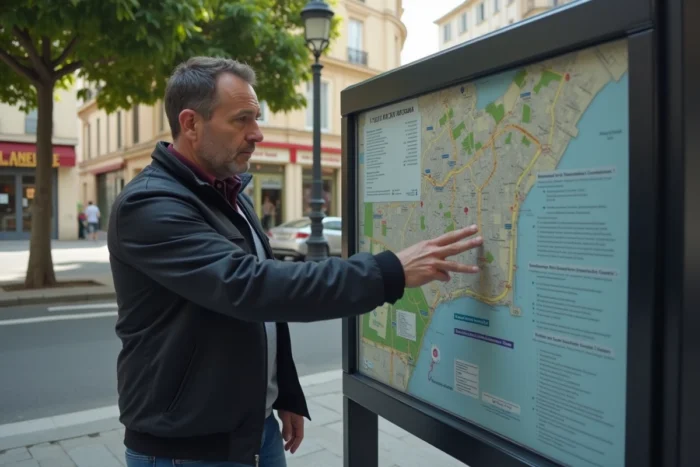
Map of Sensitive Areas in the 9th: Cayolle as an Isolated Tension Point
The neighborhood of Cayolle concentrates almost all the serious incidents reported by the local press. Shootings related to trafficking, highly publicized police interventions: the pattern is that of a geographically confined hot spot, not diffuse insecurity throughout the entire arrondissement.
Serious incidents do not spill over into adjacent residential neighborhoods. This is a distinction that generalist articles on “dangerous Marseille” systematically overlook by aggregating statistics by entire arrondissement.
What Geographic Granularity Changes
Reasoning at the arrondissement level obscures security disparities comparable to those found between two distinct cities. The following areas present very different profiles in the 9th:
- Mazargues: residential fabric, local shops, family profile. Reports are limited to opportunistic petty crime (bike thefts, occasional burglaries).
- Luminy Campus and Calanques: student and sports attendance, issues limited to wild parking and thefts from vehicles in hiking parking lots.
- Cité de la Cayolle: epicenter of tensions related to drug trafficking, with episodes of targeted violence between networks. Police presence has been strengthened there since 2025.
- Sormiou: quiet residential area by the calanque, highly sought after, where security issues are marginal.
Comparison with Arrondissements Actually Classified as Risky
Equating the 9th with the 13th, 14th, 15th, or 16th arrondissements is an analytical error. These northern arrondissements concentrate neighborhoods where drug trafficking structures the local economy of entire areas, not isolated points.
The 1st arrondissement (old center) is considered a market with high structural risk since the tragedy on Rue d’Aubagne, with a mandatory rental permit implemented in 2019. The 9th is not subject to any comparable regulatory measures.
Positioning of the 9th in the Marseille Security Hierarchy
The southern arrondissements (7th, 8th, 9th) are presented in recent guides as the “nice neighborhoods” that reassure families and retirees. This positioning is not cosmetic. It is based on concrete indicators: absence of a rental permit system, steadily rising price per square meter, low vacancy rate.
The 9th is not a dangerous arrondissement in the sense that the northern neighborhoods are. It is a residential arrondissement that contains a geographically limited point of tension.
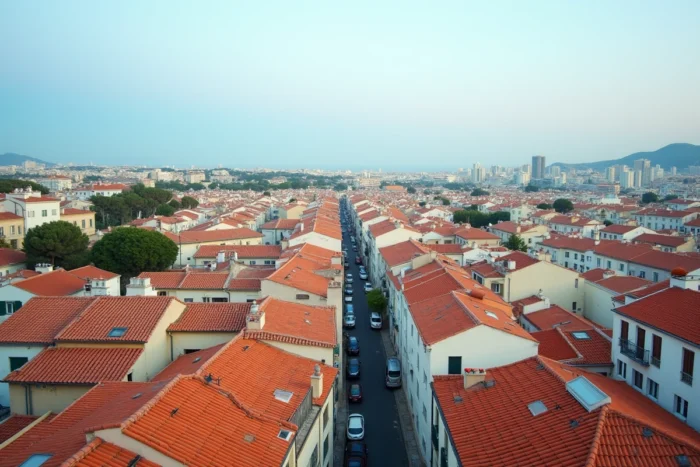
Living in the 9th Arrondissement: Quality of Life and Targeted Vigilance
The quality of life in the 9th is based on a rather rare triptych in Marseille: direct access to the calanques, university offerings (Luminy), and village-like commercial fabric in Mazargues. Residents expressing themselves on review platforms clearly distinguish their daily lives from the media reputation of the arrondissement.
The recommended vigilance is targeted, not generalized. It mainly concerns the surroundings of Cayolle in the evening and isolated parking lots near hiking trails. For the rest of the 9th, the precautions are those of any residential neighborhood in a large city: do not leave visible items in a vehicle, lock access points.
Concrete Points of Vigilance
- Calanque parking lots (Sormiou, Morgiou): frequent break-ins during the summer season, prefer the municipal shuttle.
- Surroundings of the Cayolle neighborhood: avoid unlit pedestrian crossings after dark.
- Luminy Campus: occasional reports of thefts of computer equipment from parked vehicles.
The 9th arrondissement remains one of the most sought-after areas in Marseille for families or investment. Cayolle represents a real but geographically contained point of tension, which does not undermine the residential profile of the arrondissement. Confusing a sensitive micro-neighborhood with the danger of an entire arrondissement reproduces the bias that fuels unfounded territorial fears.