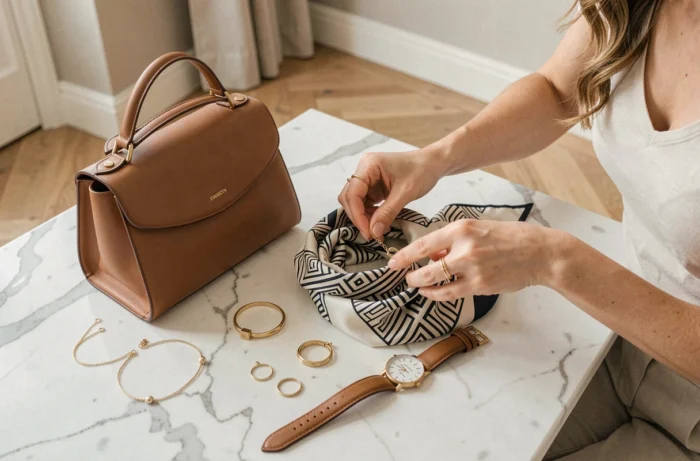
A fashion accessory in 2026 is no longer just a decorative item added to an outfit. The European regulation ESPR (Regulation (EU) 2024/1781 on the ecodesign of sustainable products) redefines the conditions for marketing textile and clothing items, including accessories. This regulatory dimension changes the way brands design, distribute, and communicate about their trendy accessory collections.
Compliance and Traceability of Fashion Accessories in 2026
Most accessory guides simply align product categories. The challenge this season lies elsewhere: since July 19, 2026, the ban on destroying unsold textiles applies to large companies in the European Union. Fabric, leather, or composite material accessories fall directly under this obligation.
Specifically, an unsold bag, scarf, or bucket hat can no longer end up in a landfill or be incinerated. Brands must prove the destination of each unsold item, through donation, destocking, or recycling. This change has a cascading effect on design: produce less, better calibrate quantities, and prioritize recyclable materials from the design phase.
The Digital Product Passport, currently being rolled out at the European level, will reinforce this logic. Each accessory can be linked to a traceability sheet that details its composition, the origin of materials, and manufacturing conditions. For those looking to elevate their style, knowing the provenance of an accessory becomes as concrete a selection criterion as its color or shape.
Additionally, the French law on PFAS, which came into effect on January 1, 2026, restricts the use of certain perfluorinated substances in textile products. Water-repellent or stain-resistant treatments applied to bags, caps, or shoes are directly affected. Ensuring that an accessory complies with this regulation is now part of a considered purchase, just like choosing the color or material.
Among the accessories offered on Life Actually, this attention to composition and durability allows for the selection of pieces that meet current requirements without sacrificing style.

Trendy Accessories of the Season: Brooches, Jewelry, and Bold Silhouettes
The autumn-winter 2026 fashion shows highlighted a marked return of the brooch. This accessory, long confined to classic wardrobes, is now prominent on jackets, collars, and even bags. The brooch serves as a focal point: it structures the silhouette without adding volume.
Metal jewelry remains a staple of trendy accessories. Wide rings, link necklaces, and geometric earrings complement a neutral outfit by introducing contrast. The key criterion to remember: the finish. A well-polished steel piece ages better than a plated alloy, and its maintenance is limited to regular wiping.
In terms of sunglasses, geometric shapes dominate. The choice of frame depends on the face shape, but amber tones and gradient lenses add a touch of color consistent with the season’s palettes. Materials like bio-sourced acetate are gaining ground, directly linked to the sustainability requirements mentioned earlier.
Bags and Everyday Accessories
The large tote bag retains its place. Its capacity makes it suitable for both home-to-office commutes and weekend outings. A well-chosen bag replaces several accessories on its own: it carries your belongings, punctuates your outfit, and reflects your consumption choices if you opt for a traceable model.
The bucket hat and cap remain reliable choices for mid-season. Their protective function (sun, light rain) doubles their aesthetic interest. In 2026, versions made from natural materials (organic cotton, linen) are multiplying in collections.
Choosing Sustainable Accessories: Concrete Criteria
Enhancing your daily life with trendy accessories requires distinguishing between impulsive purchases and thoughtful investments. A few criteria can effectively filter options.
- Detailed composition: an accessory whose label only mentions “synthetic material” without specifics deserves skepticism. Look for percentage indications by fiber or material.
- The durability of finishes: regular visible seams, tested closures, and the absence of burrs on metal parts. These details influence the longevity of the accessory as much as its appearance.
- Versatility: an accessory worn with three different outfits is more valuable than a spectacular piece that only works with one ensemble. The brooch, for example, transitions from a work jacket to an evening coat.
- The origin and transparency of the brand: companies that publish their manufacturing locations and environmental certifications offer a guarantee of seriousness. Traceability becomes a quality indicator on par with price.

Accessories and Personal Style: Compose Rather Than Accumulate
Accumulating trendy accessories does not guarantee a harmonious result. The most effective approach is to start with a basic outfit and identify the focal point: the neck, wrist, head, or bag.
One strong accessory per area is sufficient. Wearing a statement necklace, large earrings, and a brooch simultaneously creates visual overload. In contrast, a single well-placed accessory draws the eye and adds character to the whole.
The season’s colors, especially autumn tones and deep shades, lend themselves to simple combinations. A bag in a warm color (rust, burgundy) effortlessly enlivens a monochrome outfit. Metallic accessories in gold or silver act as neutrals and pair well with most palettes.
Style is built through subtraction as much as addition. Removing an accessory before heading out remains the best reflex to avoid a catalog effect. Quality pieces, chosen based on durability and traceability criteria, gain presence when they do not compete with each other.